


Imagine the situation: a key client reports a critical machine failure. Your best employee fell ill, so You send a replacement in an unfamiliar service car. Instead of fixing the fault in fifteen minutes, the technician spends half an hour frantically searching through cluttered drawers, trying to find the right torque wrench. Sound familiar?
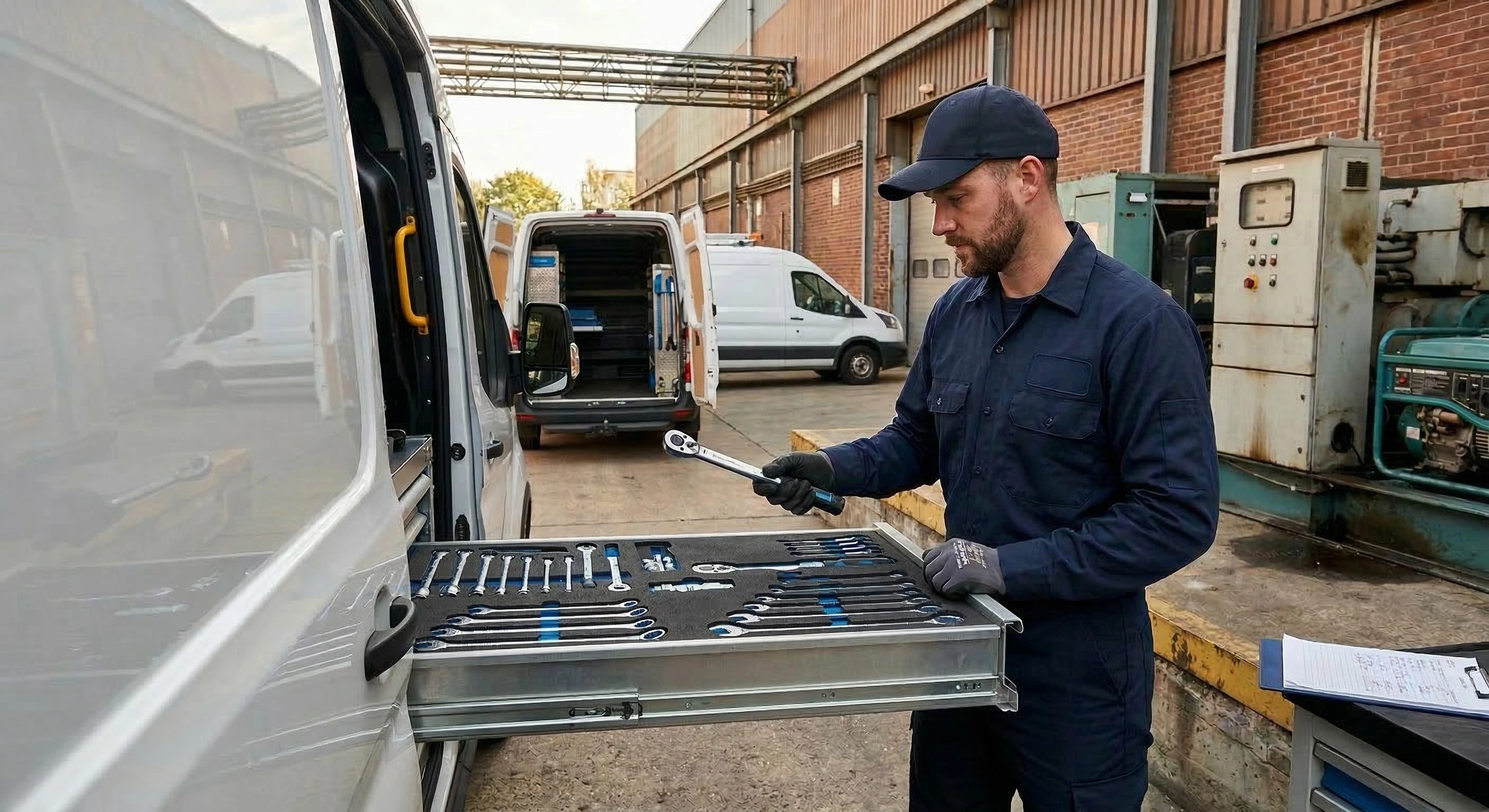
Service fleet standardization: how uniform tool inserts accelerate onboarding and slash costs
Read more

5 workshop organization mistakes that are costing You time and money
Tool organization is a key element of effective work. Keeping Your workshop tidy translates into many benefits: saving time, increasing safety, improving work comfort, and - contrary to appearances - saving money. Unfortunately, we often make mistakes during the planning stage that make it difficult to achieve a fully satisfactory result.
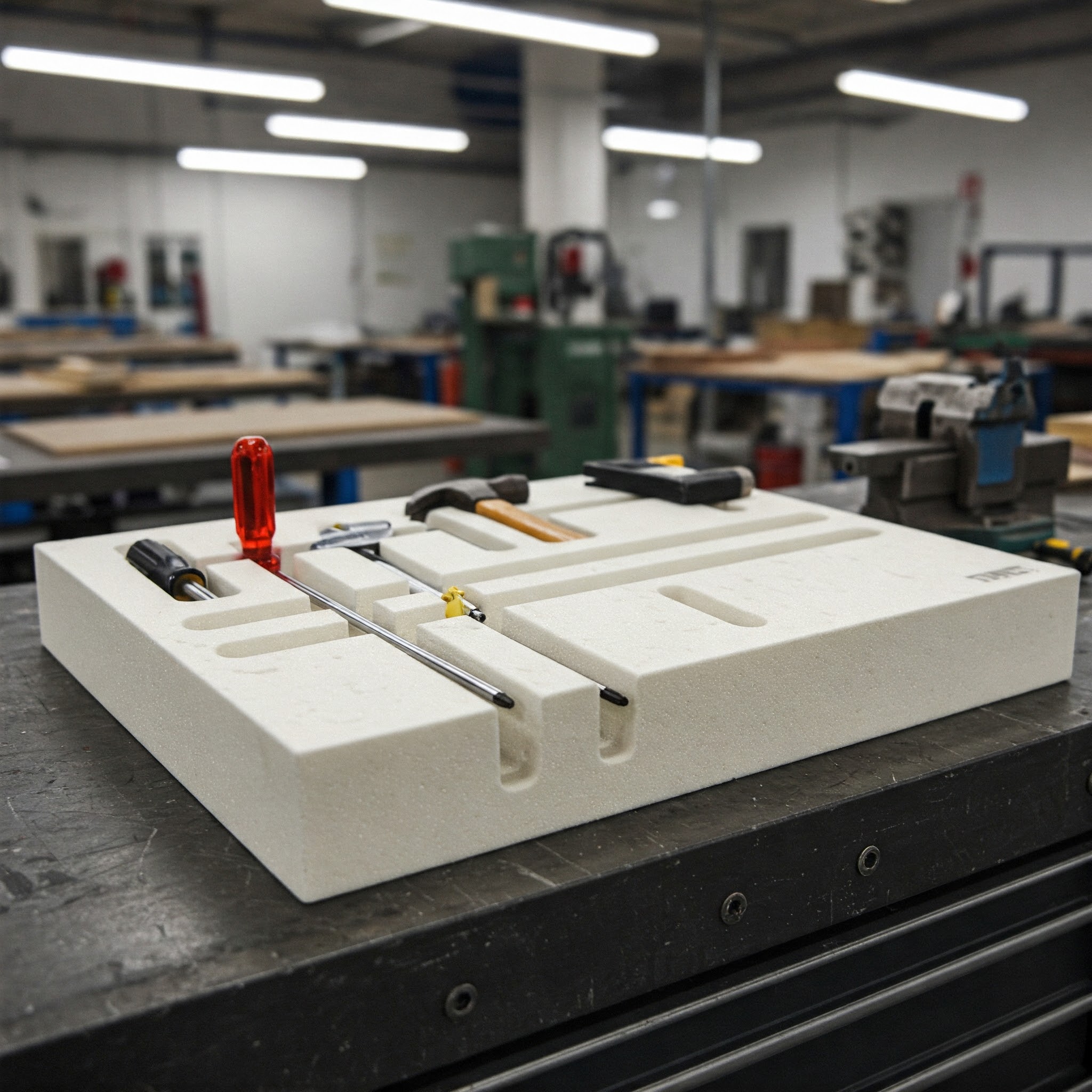
LeanFoam vs. milling - which solution should You choose?
Tool organization in a workshop or workplace is the key to efficiency, safety and comfort. In the world of tool storage two popular solutions are increasingly emerging: DIY customizable foam (such as LeanFoam) and CNC-milled foam inserts. What are the differences between these technologies and why is LeanFoam growing in popularity? Let's take a closer look.
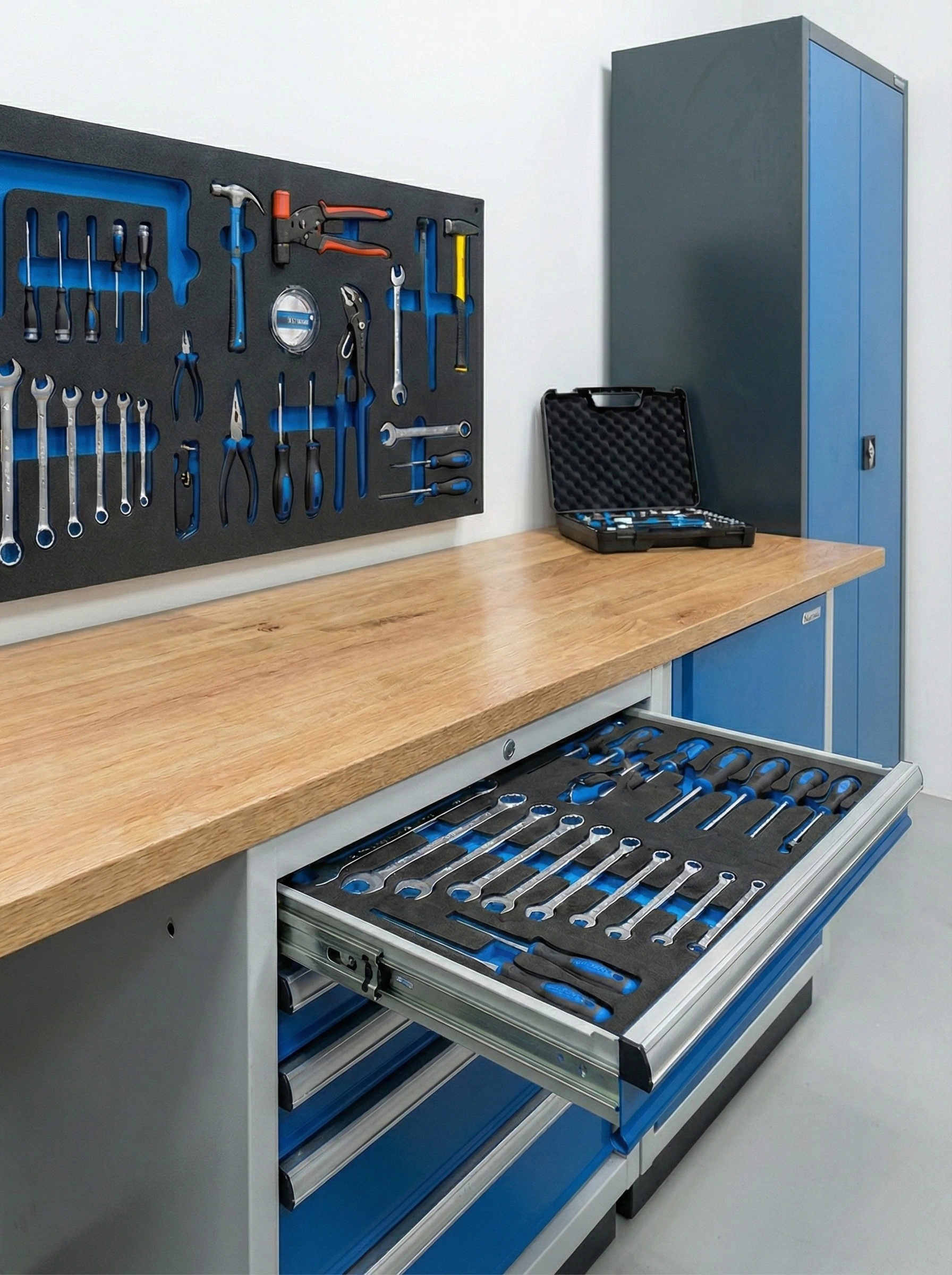
Visual management in the workplace - the key to efficiency, order, and safety
Visual management is an approach aimed at simplifying and streamlining processes in the workplace. Its foundation is the use of clear tools — from markings and diagrams to shadow boards and infographics — which help in organization, communication, and monitoring.
By introducing clear, easily understood signals, companies can significantly increase efficiency, improve safety, and create an environment conducive to effective work.
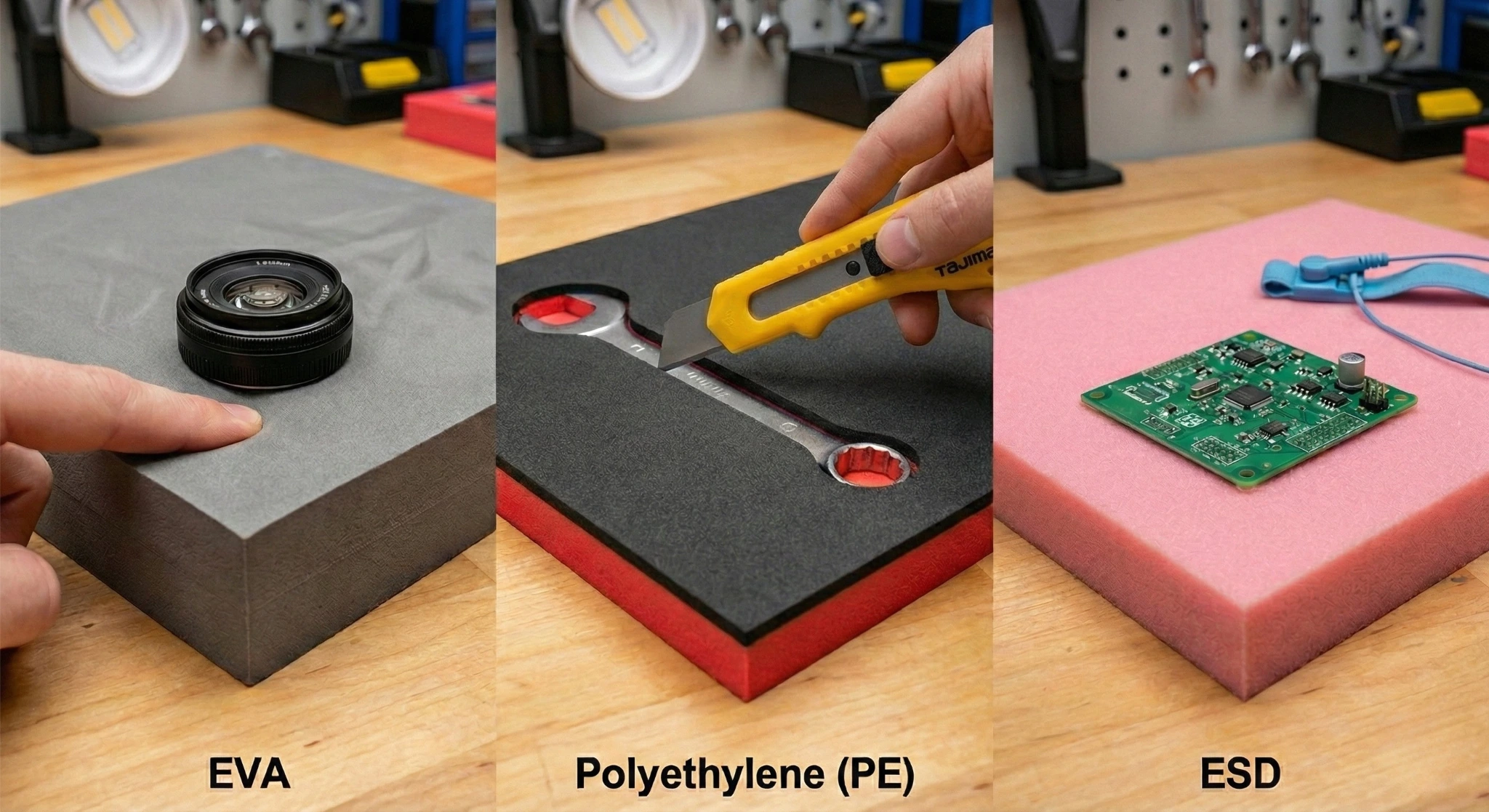
How to choose the right tool foam? A comparison of EVA, PE, and ESD foams
Choosing the right tool foam can dramatically change work organization in the workshop and ensure protection for expensive tools. Various materials are available on the market, each offering different properties. In this article, we will look at three most popular solutions: EVA foam, polyethylene (PE) foam, and ESD foam, to help you make the best decision.
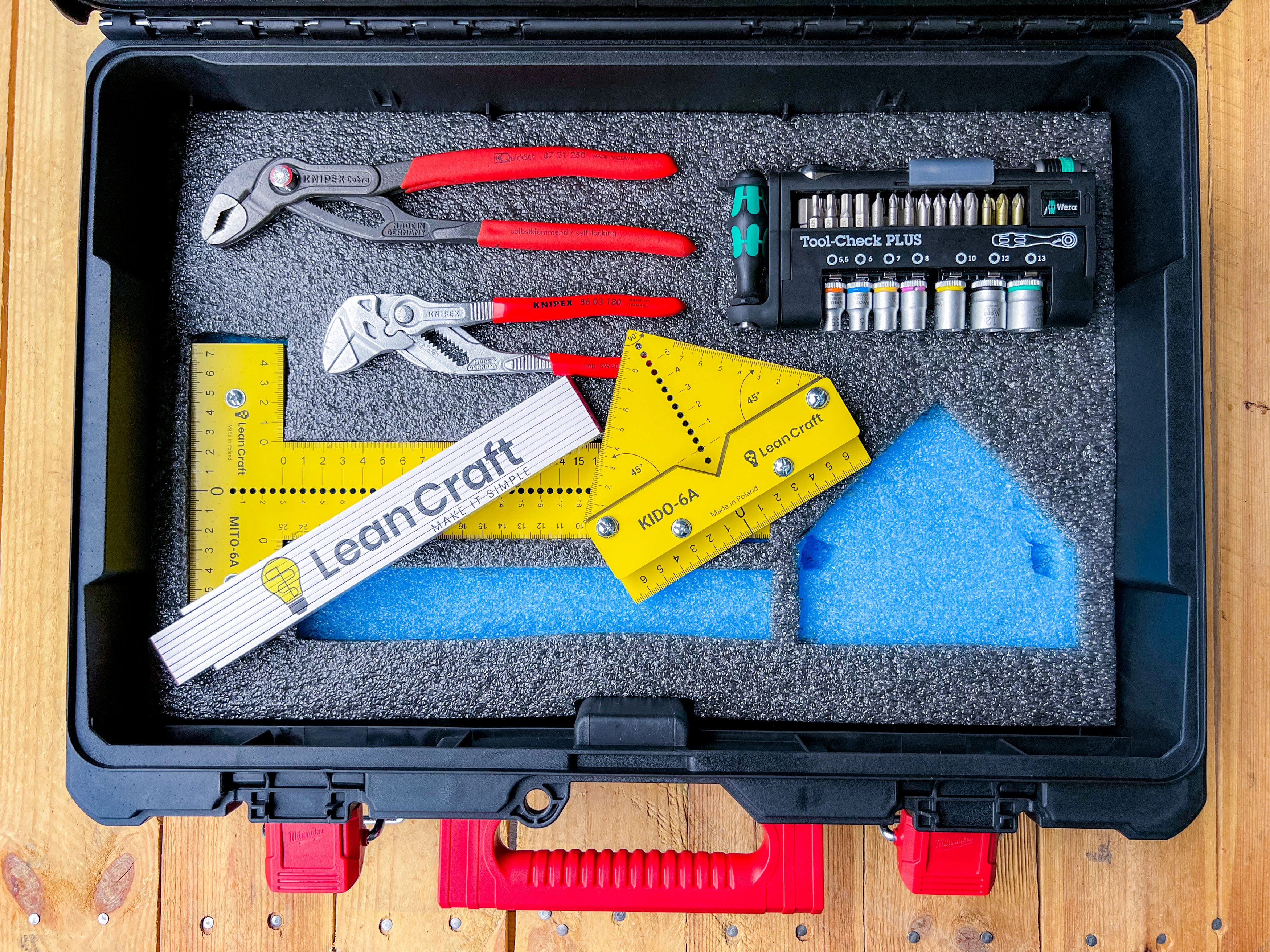
Safe tool storage - how LeanFoam protects Your equipment?
Safe tool storage is a key element in both professional workshops and home garages. Tools are often an investment for years, so their proper protection and organization are essential to ensure long-term use and keep them in optimal condition.
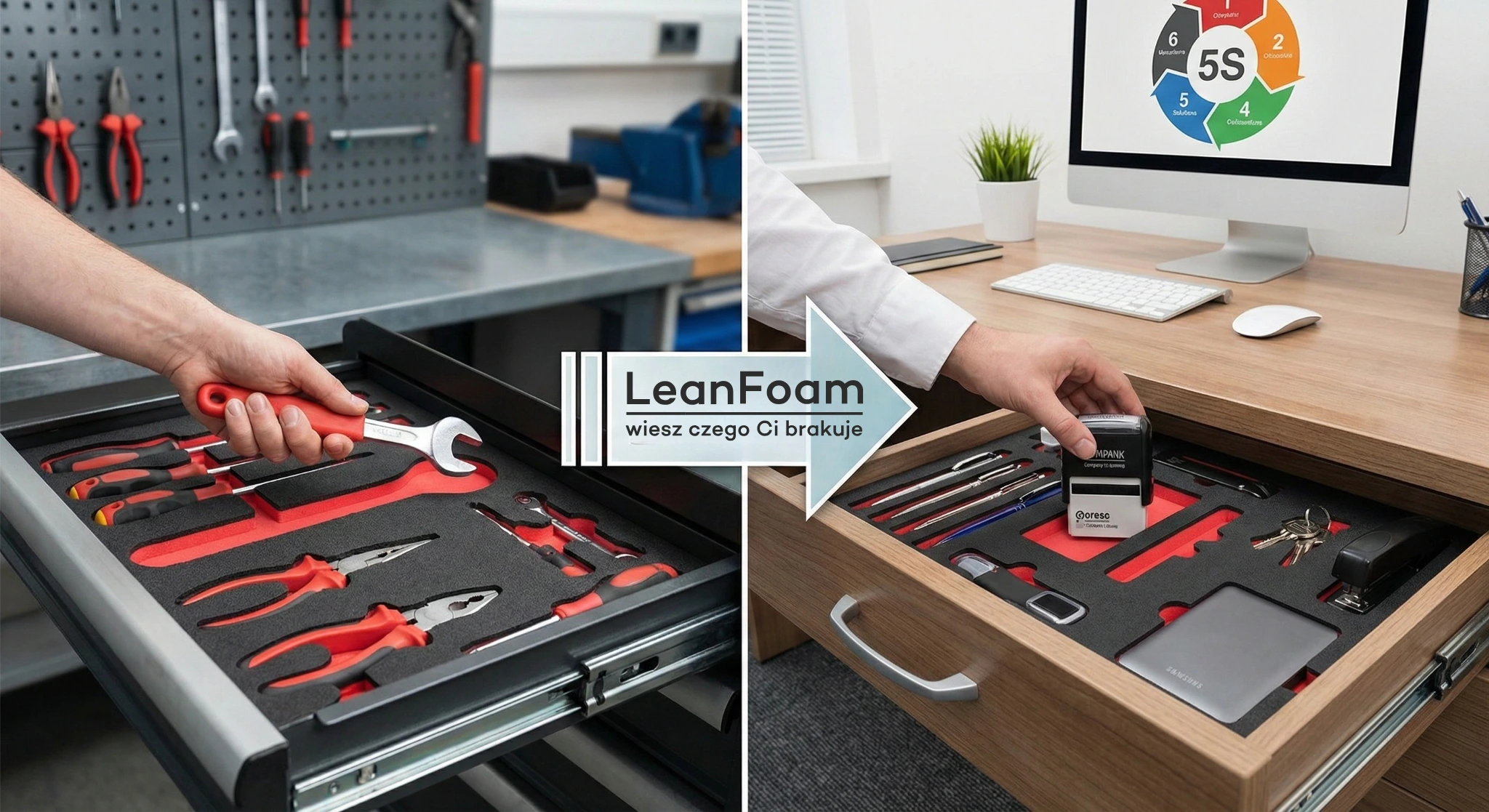
5S in the office and production: cost-effective organization with LeanFoam
Lean Management principles are often associated strictly with massive production halls. This is a misconception. Waste (Muda) - the time lost searching for items and errors caused by chaos – occurs everywhere, including modern office environments.
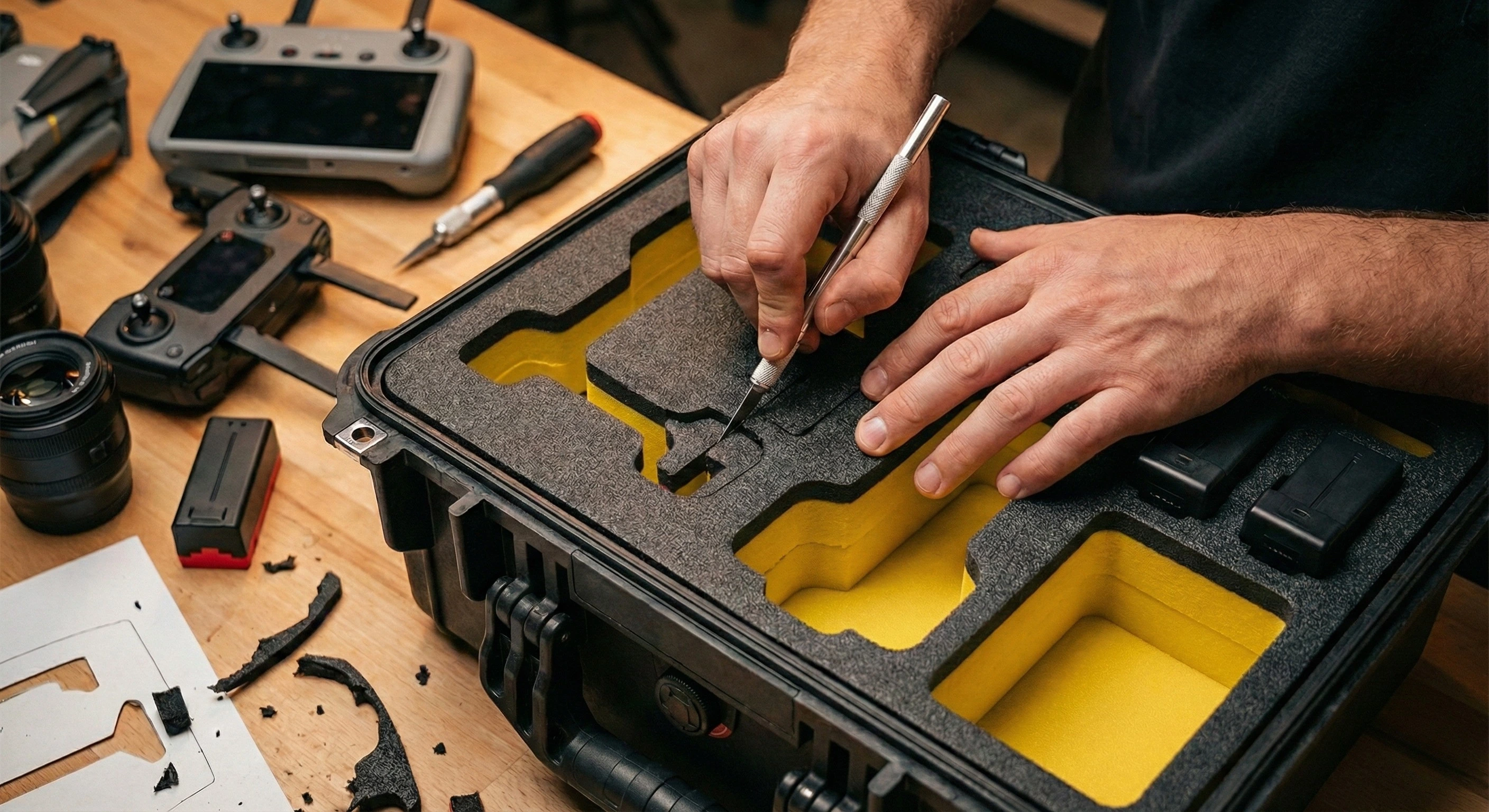
The 5S method: how LeanFoam DIY inserts cut costs and organize your workshop
Did you know that in an average workshop, an employee wastes up to 15 minutes a day just looking for the right tool? Annually, this translates to thousands in lost revenue. Many business owners try to tame the chaos by searching for a generic "tool drawer insert," hoping for a quick fix. The problem? Off-the-shelf solutions rarely fit perfectly.
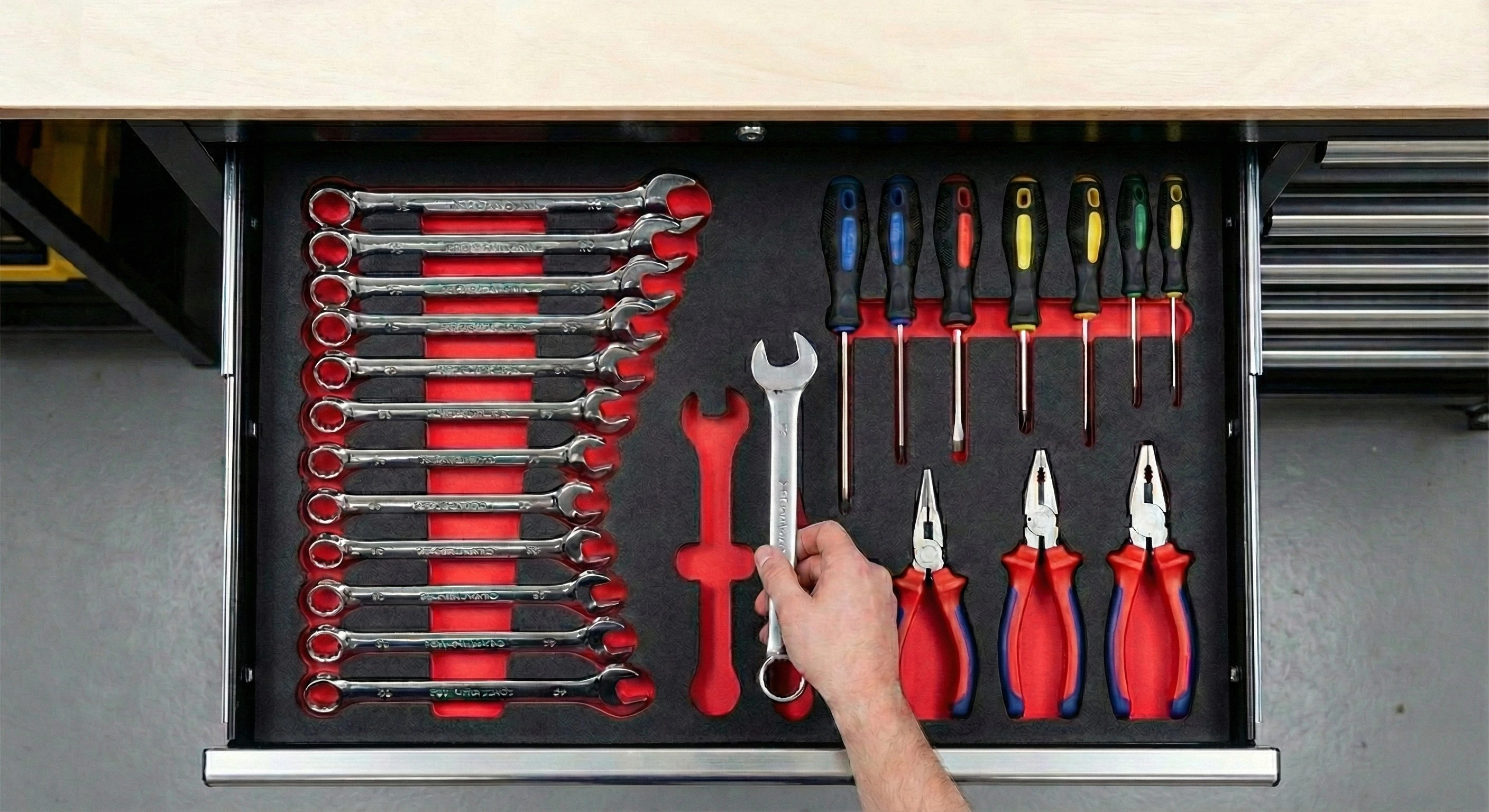
How to create Your own shadow board? A Step-by-Step DIY guide with LeanFoam
A shadow board is an indispensable organizational tool that allows for the perfect arrangement of tools in tool drawers, cases, or chests. LeanFoam technical foam, ideal for cutting tool slots, is exceptionally flexible, enabling the DIY creation of organizers tailored to individual needs.
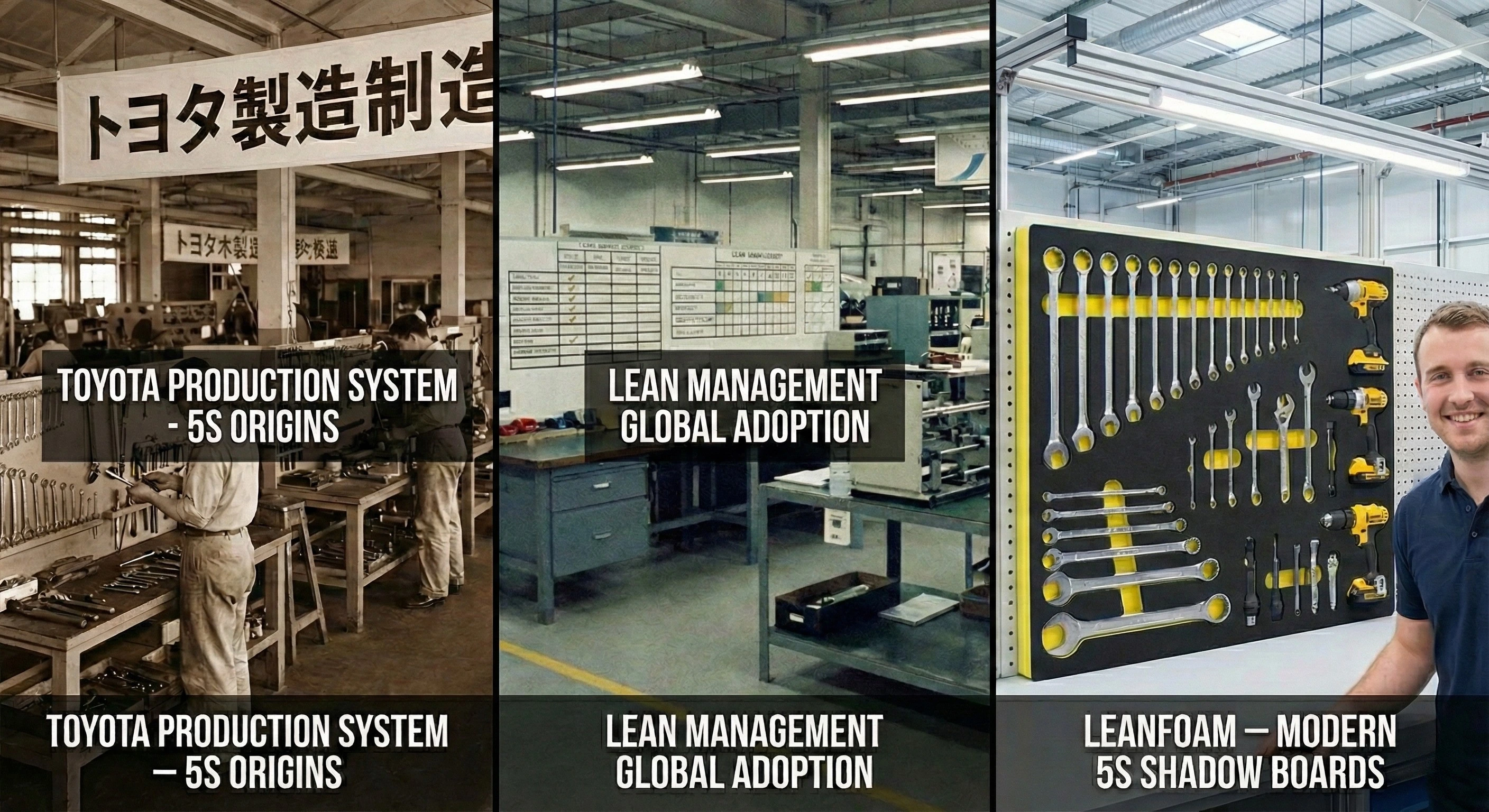
The 5S system in Lean Management - from Toyota to Your workshop
Are you looking for a way to achieve perfect order in your company? The answer is the 5S System – a key tool of the Lean Management methodology that has been helping to eliminate waste and increase efficiency for decades.
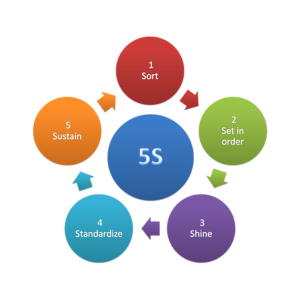
The 5S method – The foundations of organization
What is the 5S system? The 5S method, part of the broader Lean management system, originated in Japan and is used to streamline work organization and increase efficiency. Its roots date back to the 1950s, when Japanese enterprises began implementing systems aimed at eliminating waste and optimizing processes.
 Log in with Facebook
 Log in with Google